-

Combo of Hair Care Oil
Regular price $64.99 AUDRegular priceUnit price per -
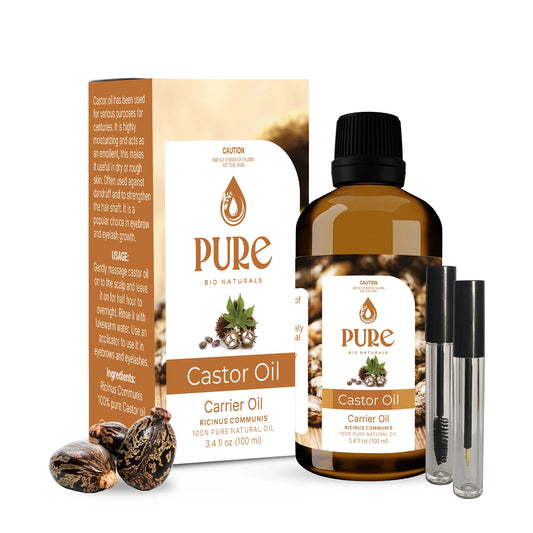
Pure Castor Oil
Regular price $22.99 AUDRegular priceUnit price per -
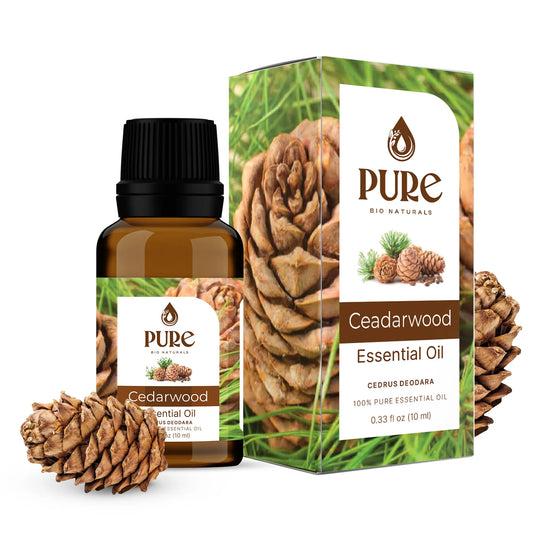
Pure Cedarwood Essential Oil
Regular price $18.49 AUDRegular priceUnit price per -
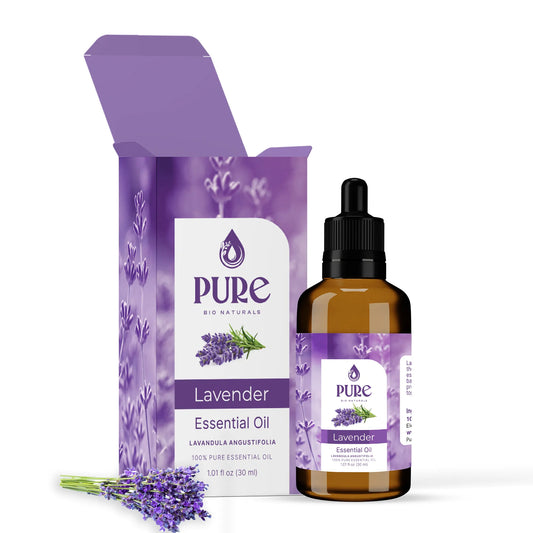
Pure Lavender Essential Oil
Regular price $17.99 AUDRegular priceUnit price per -
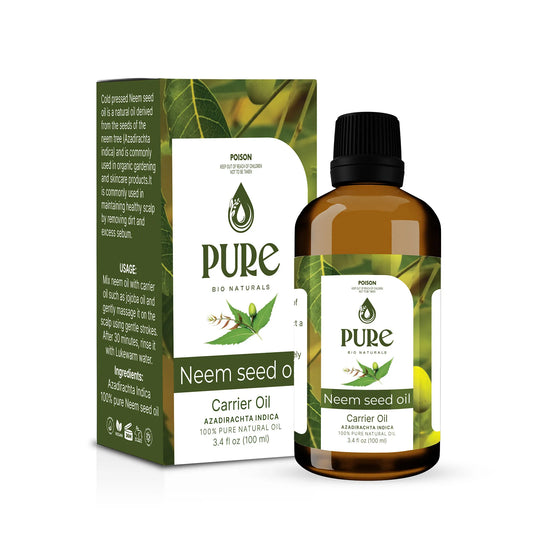
Pure Neem Seed Oil
Regular price $22.99 AUDRegular priceUnit price per -
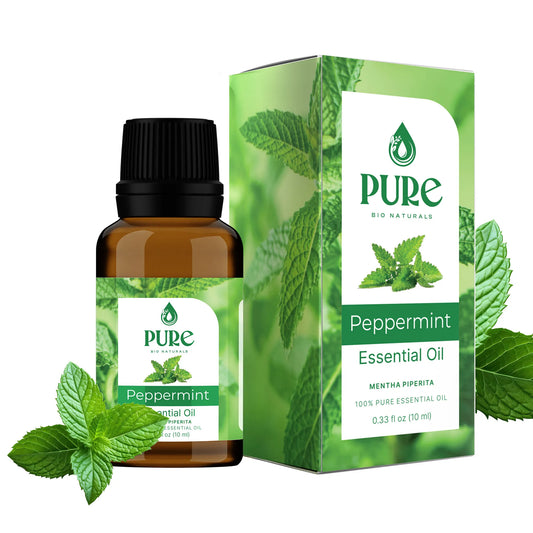
Pure Peppermint Essential Oil
Regular price $17.49 AUDRegular priceUnit price per -
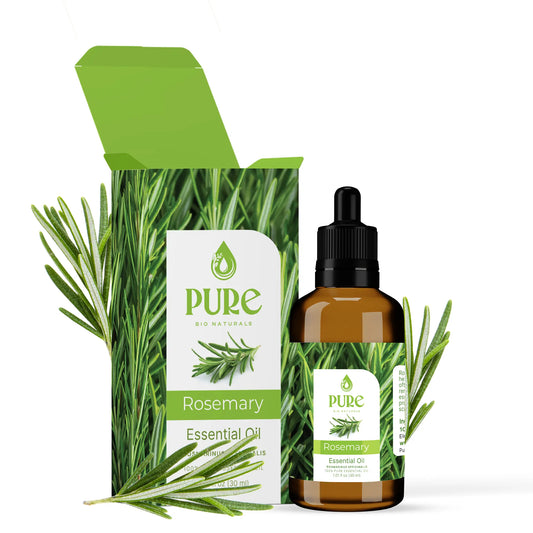
Pure Rosemary Essential Oil
Regular price $20.49 AUDRegular priceUnit price per -
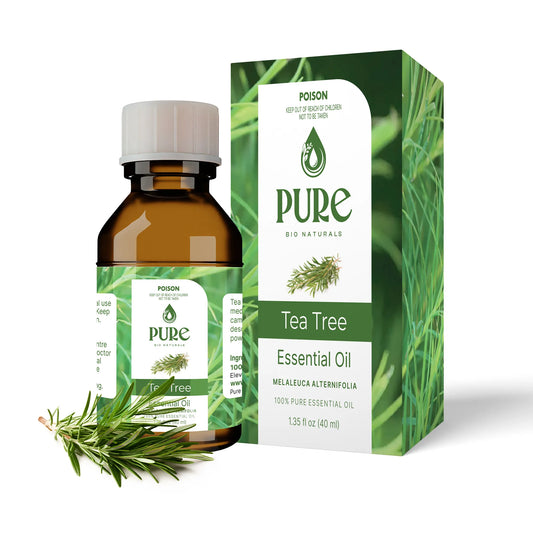
Pure Tea Tree Essential Oil
Regular price $19.99 AUDRegular priceUnit price per
How to use oil on your hair and scalp ?
Most people use these as a pre-wash treatment. Part the hair, work the diluted oil into the scalp with your fingertips, leave it 20 to 30 minutes or overnight, then shampoo it out. Castor and neem are heavy enough that they usually need two washes.
For a scalp blend, 2 percent is a normal strength. That's about 12 drops of essential oil in 30 ml of carrier. Start lower if your scalp is sensitive, and patch test behind an ear for 24 hours first.
On lengths and ends rather than scalp, a few drops of plain carrier oil smoothed through damp hair is enough. You don't need essential oils for that.
What each oil is used for ?
Rosemary is the one most people come here looking for, and it's the most studied of the group for scalp use. Our guide to the best hair growth oils goes through what the research does and doesn't show.
Peppermint has a strong cooling feel on the scalp from its menthol content. It's potent, so keep the dilution low.
Castor oil is thick and slow to absorb, which is why it gets used as an overnight treatment rather than a leave-in.
Neem seed oil has a strong, distinctive smell that not everyone gets on with. Blend it with a lighter carrier if you find it heavy. Avoid it during pregnancy.
Cedarwood and lavender are the milder two, and both blend easily with rosemary.
Tea tree is a common scalp addition, though it's strong and belongs at the low end of the dilution range.
Before you start
Essential oils go on the scalp diluted, never neat. Keep them away from the eyes, and rinse with a carrier oil rather than water if any gets in.
If you're pregnant or breastfeeding, check with your healthcare professional first, and skip the neem.
Full dilution tables and storage advice are in our guide to what makes an essential oil high quality. The carrier oils page has the bases to dilute into.