-
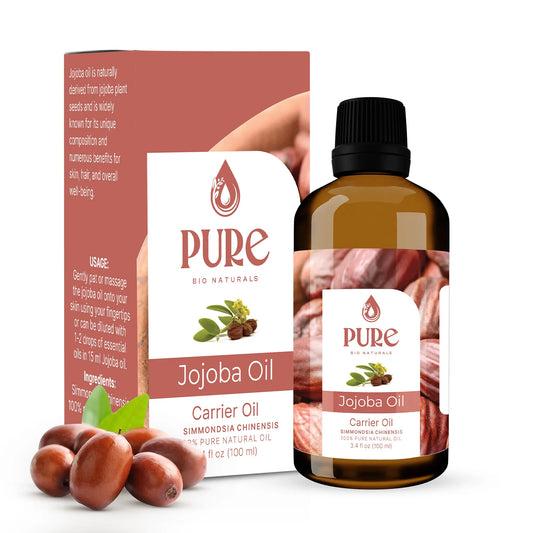
Pure Jojoba Oil
Regular price $24.99 AUDRegular priceUnit price per -
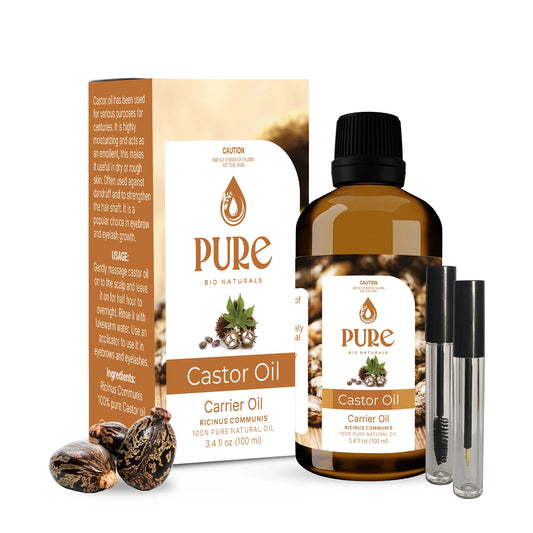
Pure Castor Oil
Regular price $24.99 AUDRegular priceUnit price per -
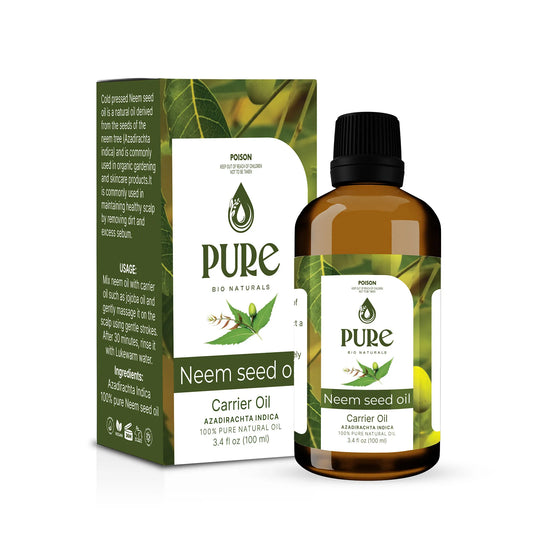
Pure Neem Seed Oil
Regular price $24.99 AUDRegular priceUnit price per
What a carrier oil does ?
Essential oils are concentrated plant extracts, strong enough to irritate skin when used neat. A carrier oil dilutes them down to a strength your skin can handle, and spreads a couple of drops across an area they'd never cover on their own.
The carrier isn't filler. It's what makes the blend usable, and it brings its own properties to whatever you're making.
Dilution at a glance
|
Use |
Strength |
Drops per 10ml |
Drops per 30ml |
|
Face |
0.5 to 1% |
1 to 2 |
3 to 6 |
|
Body and massage |
2% |
4 |
12 |
|
Scalp treatment |
2% |
4 |
12 |
|
Bath, mixed into carrier first |
1 to 2% |
2 to 4 |
6 to 12 |
Start at the lower end of each range. Patch test on your inner forearm and wait 24 hours before using a new blend more widely. Halve the adult strength for children over two, after checking with a doctor or pharmacist, and don't use essential oils on children under two.
Which one to pick ?
Jojoba is technically a liquid wax rather than an oil, which is why it absorbs quickly and doesn't leave much of a film. It's also the most stable of the three and keeps the longest. The default choice for facial blends.
Castor oil is thick and tacky, and almost nobody uses it neat on the face. It comes into its own as an overnight scalp treatment, usually cut with a lighter oil. Avoid it during pregnancy.
Neem seed oil has a strong, distinctive smell that takes some getting used to. It's heavy, so blend it with a lighter carrier for anything beyond a scalp treatment. Avoid during pregnancy.
Storage
Keep bottles capped, cool and out of direct light. Carrier oils go rancid rather than simply fading, and you'll know from the smell. Most keep one to two years once opened.
Ready to blend? Browse the essential oils, or read our guide to what makes an essential oil high quality first.
Best Seller Black Friday Combo
-

Pure Bio Carrier Oil Collection
Regular price $64.99 AUDRegular priceUnit price per -

Botanical Freshness Collection
Regular price $74.99 AUDRegular priceUnit price per -

Herbal Aromatherapy Collection
Regular price $74.99 AUDRegular priceUnit price per -

Pure Bio Fresh & Clean Collection
Regular price $59.99 AUDRegular priceUnit price per -
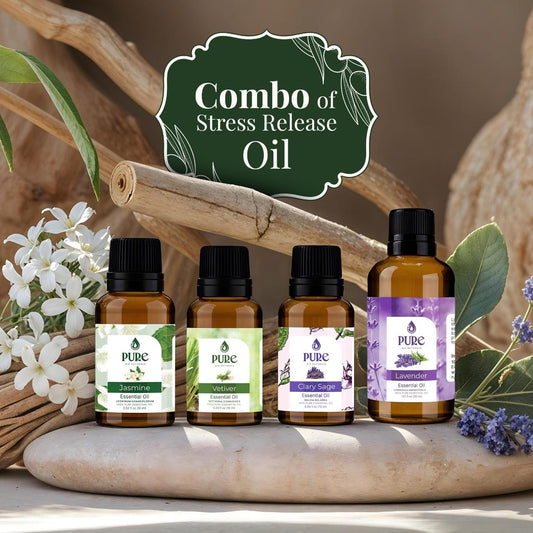
Combo of Stress Relief Oil
Regular price $74.99 AUDRegular priceUnit price per -

Combo of Skin Care Oil
Regular price $59.99 AUDRegular priceUnit price per -

Combo of Hair Care Oil
Regular price $64.99 AUDRegular priceUnit price per